Skip to content

Thriving Potato Plants in a Shed: Insider Tips

thriving potato plants in a shed insider tips

Potato Plants Thriving in a Shed: Insider Tips

Potatoes are a delicious and versatile vegetable that can be grown in a variety of climates.

But what if you don’t have a lot of space? Or what if you live in a cold climate? Don’t despair! You can still grow⁣ potatoes in a shed..

In⁢ this article, we’ll share ⁤some insider tips on how to grow‌ thriving potato plants in a shed. We’ll cover everything from choosing the right potatoes ​to planting and harvesting. So whether you’re a seasoned ‌gardener or a complete beginner, read on for all ⁣the information⁣ you need to know.

Here are some of the benefits of growing potatoes in a​ shed:

  • You can ⁣grow potatoes all year round. Sheds provide a sheltered environment that protects potatoes from the elements, so you can grow them ⁢even in cold weather.
  • You can grow potatoes in a small space. A shed doesn’t need to be very big ⁣to grow potatoes. You can even grow them in a window box ‌or on ‍a balcony.
  • You can control the conditions. In a shed, you can control the temperature, humidity, and light⁤ levels, which can help to improve the growth of your potatoes.

So if you’re looking for ⁤a way to grow delicious, fresh potatoes at home, consider growing them in a shed. With⁢ a ⁤little care and attention, you’ll be enjoying homegrown potatoes in no time.

Thriving Potato Plants in a Shed: Insider Tips
Loading... Seconds Left for
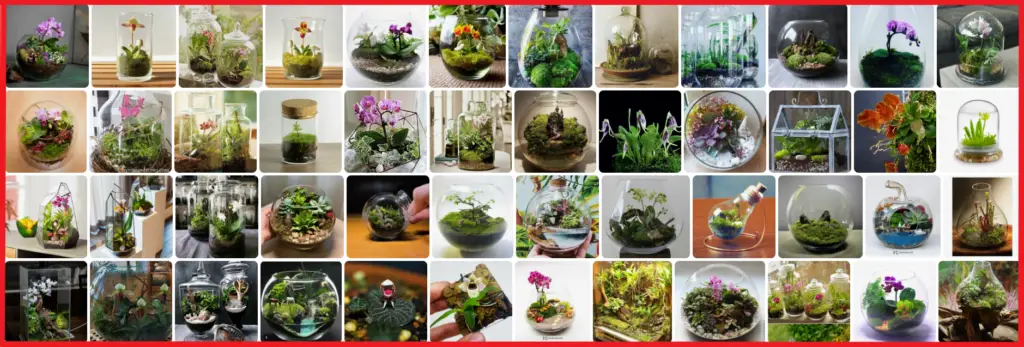
Miniature Orchid Terrarium Gallery!
Miniature Orchid Terarium Gallery Png

Growing potatoes in a shed can be a great way to‍ get a head start on the growing season, or to extend it into⁣ the fall. Here are a few insider‍ tips to help you grow thriving potato plants in your shed:

  • ng>Choose the right variety of potatoes. Not all potato varieties are suitable for growing in a shed.⁤ Choose a variety ‌that is ‌known to be good for container gardening, such as ⁣’Early Girl’⁢ or ‘Yukon Gold’.
  • Start your potatoes early. ⁤The​ best time to start growing potatoes in a shed is in early spring, as soon as ‌the soil has warmed up to at least 50 degrees Fahrenheit.
  • Use a good quality potting soil. Potting soil is specially formulated to drain well and provide the nutrients that potatoes need to grow.
  • Po
    t your potatoes in a large container.
    Potatoes need ⁢plenty of room to grow, so choose a container that is at least 12 inches deep and 24 inches wide.
  • Add a layer of compost to the bottom of the container. Compost will help to improve the drainage of‌ the ​soil and provide nutrients ‍to the potatoes.
  • Plant your potatoes 3 inches deep and 12 inches apart. Potatoes should be planted with the ⁢eyes facing up.
  • Wa
    ter your potatoes regularly.
    Potatoes need‍ to be watered regularly, especially during dry spells.
  • Fertilize your potatoes monthly. Use ⁣a liquid fertilizer that is high in nitrogen.
  • Hill up your ‍potatoes as‌ they⁢ grow. Hilling up the potatoes will help ⁣to protect them from the sun and pests.
  • Ha
    rvest your potatoes when they are mature.
    Potatoes are ‌ready to harvest when the skins are tough and the ⁤flesh is firm.

    The Perfect Shed for Growing Potatoes

    The Perfect ⁣Shed for Growing Potatoes

When⁤ it ‌comes to growing potatoes, the right shed can make all the difference. Here ‌are a few things to keep in mind when choosing a⁤ shed for your potato plants:

  • ng>Size: You’ll need a shed that is large enough to accommodate⁣ your potato plants. The minimum size for a shed should be 8 feet wide by 10 feet long.
  • Ventilation: ​ Potatoes need good ventilation to thrive. Make sure the ⁤shed has plenty of windows​ or vents to allow air to circulate.
  • Light: Potatoes need at least 6⁢ hours of sunlight per day. If your shed doesn’t ‍get enough natural light, you may need to⁤ supplement⁣ with artificial lighting.
  • Mo
    isture:
    Potatoes need to be watered regularly, but they don’t like to be soggy. Make sure the shed has good drainage to prevent‍ your potatoes from rotting.
  • Temperature: Potatoes grow best⁢ in temperatures between 60 and 70 degrees Fahrenheit. If the temperature in your shed gets⁤ too​ hot or too cold,‌ your​ potatoes may not thrive.

Once you’ve found ​a shed that meets ⁢all of these requirements, you’re ready to start growing potatoes!

Her

e are a few tips for growing potatoes in a shed:

  • Start with seed potatoes. Seed potatoes are potatoes that have been grown specifically for planting. They’re usually smaller than table potatoes and have more eyes.
  • Plant your potatoes in early spring. Potatoes need a long growing season, so it’s important to get them in the ground as ‌early as possible.
  • Po
    tatoes⁣ need to be hilled up.
    Hilling⁣ up ​means piling soil around the stems of your ⁣potatoes as they grow. This ⁤helps to ​protect the potatoes from pests and diseases and encourages them to ⁤grow larger.
  • Water your potatoes regularly. Potatoes need to be watered regularly, but they don’t like to be soggy. Make sure the soil is moist but not wet.
  • Harvest your potatoes when they’re ripe.

    Potatoes are ready to harvest when the skins are tough and the flesh is firm..

    ragraph -->
    ‍You can usually tell when a potato is ripe by gently squeezing it. If ‍the potato feels firm, it’s ready to harvest.

With a little care and attention, you can⁤ grow beautiful, healthy potatoes in your shed. So what are you waiting for? Get started today!

Choosing the Right Potatoes for Your Shed

Choosing⁢ the Right Potatoes for Your Shed

When it comes to choosing the right potatoes for your shed, there are a few things to keep in mind.

  • ng>The size of your⁣ shed. If you have ​a small shed, you’ll need to choose smaller varieties of potatoes.⁢ Some good options include “Yukon Gold”, “Red Norland”, and “Early Rose”.
  • The⁢ climate in your area. ⁤ If you live in a warm climate, you’ll need to choose varieties of potatoes that are tolerant‍ of heat. Some good options include “Russet Burbank”, “Yukon Gold”, and “Red Pontiac”.
  • Your personal ⁣preferences. Some people prefer waxy ‍potatoes, while others prefer floury potatoes. There ‌are also many different colors of potatoes to choose from, so you can find the perfect variety ​for your⁢ taste.

Once

you’ve considered these factors, you can start choosing the right potatoes for your shed. Here are a few tips:

  • Start with certified seed potatoes. This will help to ensure that you’re starting with healthy plants.
  • Plant​ your potatoes in well-drained soil. ‌Potatoes don’t like ⁢to sit in water, so make sure that the soil in your shed is well-drained.
  • Wa
    ter your potatoes regularly.
    Potatoes need water to grow, so make sure to water them⁤ regularly.
  • Fertilize your ⁤potatoes regularly. Potatoes need fertilizer to grow, so make‍ sure ​to fertilize them regularly.

By following these tips, you can grow healthy, ‍delicious potatoes ⁣in your shed.

Her

e are some ​additional tips ⁤for growing​ potatoes in a shed:

  • Hill your potatoes regularly. This will⁢ help to ​keep ⁤the potatoes from rotting.
  • Cover your potatoes with straw or mulch. This ⁤will help to keep the soil warm‍ and moist.
  • Ro
    tate your crops.
    This will help ‌to ​prevent pests and diseases.
  • Inspect your potatoes regularly for​ pests and⁤ diseases. If you see ‌any problems, treat⁤ them immediately.

By following these tips,⁣ you can grow healthy, delicious potatoes in your shed year after year.

ing-the-soil-for-planting-potatoes"> Preparing the Soil​ for Planting Potatoes

Preparing the Soil for Planting Potatoes

Potatoes are a relatively easy crop to grow, ​but they do require some ⁤preparation of⁣ the soil before planting. Here are a few ‍tips⁣ for getting your soil ready for growing⁢ potatoes:

  • ng>Test the soil ​pH. Potatoes prefer a slightly acidic soil, with a pH of‌ 6.0 to 6.5. ​If your soil is too alkaline, you can add sulfur to lower the‍ pH.
  • Add organic matter. ​ Potatoes benefit from a soil that is rich in organic matter. This will⁢ help to improve drainage and aeration, and it will also provide nutrients for the plants. You can add compost, manure, or other organic matter to your ​soil before planting.
  • Till the soil. Once you have added ⁣organic matter to your soil, it is time⁣ to till it. This will help to break⁢ up the soil and incorporate the organic matter. Till⁢ the soil to a depth ⁢of ‍at least 12 inches.
  • Fo
    rm raised beds.

    Potatoes do best⁢ when they are planted in raised ​beds..

    ⁤ This ‌will help to⁣ improve drainage and aeration, and it will also make it easier ⁤to hill the potatoes as they grow. Raised beds should be about ⁣4 feet wide and 12 inches high.

By following these tips, you can help ‍to ensure that your potatoes have the best possible⁣ start in life. With a little care ⁢and attention, you can enjoy ⁢a bountiful⁣ harvest of fresh potatoes all season long.

ng-potatoes-in-a-shed"> Planting Potatoes in a Shed

Planting Potatoes in a Shed

If ​you have a shed‌ in your backyard, you ⁤can use it to grow potatoes. This‍ is a great way to save money on your grocery bill and get fresh, healthy potatoes right at your fingertips.

Here are a few tips for planting potatoes in a shed:

  • Choos
    e a spot in your shed that gets plenty of sunlight.
  • Fill a large container with potting soil.
  • Plant your potatoes about 6 inches apart and 2 inches deep.
  • Water your
    potatoes regularly.
  • Fertilize your potatoes every few weeks.

Once your potatoes are mature, you can harvest them by digging them⁤ up. Be sure to leave a few potatoes in ‍the ground so that they can regrow next year.

Potatoes ar

e a relatively easy crop to‌ grow, and they can be a ⁢great addition to your⁢ garden.⁢ So if you have a shed in your backyard, why not give growing potatoes a try?

Caring for Your Potato Plants in a Shed

Caring ⁣for Your Potato Plants in a Shed

Potatoes⁤ are a relatively easy crop to grow, but they do require some special care⁣ if you’re growing them in a shed. Here are a ⁣few tips to help you keep your potato plants healthy and productive:

  • ng>Choose the right variety of potato. Not all potato varieties are suitable for growing in a ‌shed. Choose a variety that is resistant to pests and diseases, and that is suited to the climate in ‌your area.
  • Prepare the soil. Potatoes need well-drained soil that is rich in organic matter. If your⁣ soil is ‍not well-drained, you can improve drainage by adding ⁣compost or sand.
  • Plant the potatoes. Potatoes are planted in early spring, once the soil has⁤ warmed up ⁤to at least 50 degrees Fahrenheit. Plant the potatoes 3-4 inches deep, and 12 inches apart.
  • Wa
    ter‌ the potatoes regularly.
    Potatoes⁣ need to be watered regularly,‍ especially during dry spells. Water the plants deeply, so that the water reaches the roots.
  • Fertilize‌ the potatoes. Potatoes benefit from regular fertilization. Apply a balanced fertilizer to the plants every 2-3 weeks.
  • Control pests ⁢and diseases. ‍Potatoes are susceptible to ‌a number of pests and diseases.‌ Keep an eye on your plants for ‌signs of pests or diseases, and treat them as soon as ​you see them.

By fo

llowing these tips, you can grow healthy and productive potato plants in ‌your shed.

  • Harvesting potatoes. Potatoes are ready to harvest when the foliage has turned ‍yellow and the skins have started to ‌wrinkle. To harvest the potatoes, dig them up⁢ carefully so as not to damage the tubers. Store the potatoes in a cool, dry place.

    Harvesting⁣ Your Potatoes from a Shed

    Harvesting Your Potatoes from a Shed

Once your potato plants have started to flower, you can start to harvest your potatoes. Here are a few tips:

  • Wait until⁤ the foliage has died down. This will help to ensure that your potatoes are fully mature and have developed their full flavor.
  • Di
    g carefully around the plants to​ avoid damaging⁤ the potatoes.
    You may need to use a fork or ‌shovel to loosen the soil around the plants.
  • Be careful not to damage the potatoes themselves. Potatoes are easily bruised, so handle them with care.
  • Place your potatoes in a cool, dark place to store them. This will help to preserve their freshness and flavor.

Harvesting your potatoes from a shed is a ​great way to ‍enjoy fresh, ⁣homegrown potatoes all​ year ‍long. By following these tips, you ⁣can ensure that your potatoes are harvested at their peak and stored properly for long-term enjoyment.

Resources

[linkto:[linkto:[linkto:[linkto:https://www.gardeningknowhow.com/edible/vegetables/potatoes/growing-potatoes-in-a-shed.htm]

This articl

e provides detailed instructions on how to grow potatoes ‌in a ⁣shed, including information⁣ on choosing the right type of shed, preparing the soil, planting the​ potatoes, and caring for the plants. The article also includes tips on harvesting and‌ storing your potatoes.

Final Thoughts

Potatoes are a delicious and versatile crop that can be grown in a variety of climates.‌ If you don’t have a⁣ lot of space, you can ‌even grow them in a shed.​ With a ⁢little planning and care, you can enjoy fresh potatoes all year long.

Here are a

few tips for growing thriving potato ⁢plants in a shed:

  • Choose a sunny spot with well-drained soil.
  • Plant your potatoes in early spring, once the ​soil has warmed up.
  • Use a fert
    ilizer that is high in potassium and phosphorus.
  • Water your potatoes regularly, but don’t ⁢overwater them.
  • Hill up the soil‌ around your plants as they grow.
  • Harvest yo
    ur potatoes when the skins are firm and the flesh is white.

With a little care, ⁢you can grow delicious potatoes in a shed all year long. So what are ​you waiting for? Get started today!

_posts">Recent Posts
Follow Me
Hello, I'm Katie Owen! I am the voice behind "plantandseedguide," inviting you on a journey through the enchanting world of greenery. The magical beauty of nature and the fascinating realm of plants have always captivated me, leading me to this space.
Katie Owen
Follow Me
Latest posts by Katie Owen (see all)
See also
Growing Radishes with Low Oxalate Vegetables: Tips and Tricks

Leave a Reply

Your email address will not be published. Required fields are marked *