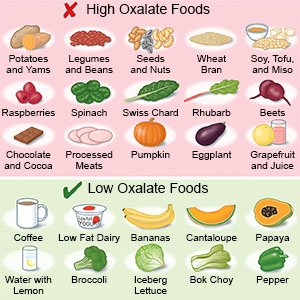
Peppers and low-oxalate plants: a match made in heaven
Peppers are a delicious and versatile addition to any garden, but they can also be high in oxalates.
Oxalate is a naturally occurring compound that can bind to calcium and form kidney stones..
While most people can safely eat peppers in moderation, those who are prone to kidney stones may need to avoid them or limit their intake.
The good news is that there are plenty of low-oxalate plants that can be planted alongside peppers. These plants will help to reduce the overall oxalate content of your garden, making it a healthier option for everyone.
In this comprehensive guide, we will discuss the oxalate content of peppers and other common garden plants. We will also provide tips on how to create a low-oxalate garden that is both delicious and healthy.
So whether you’re looking to avoid kidney stones or simply want to improve your overall health, read on for all the information you need to know about growing low-oxalate plants with peppers.
Low-Oxalic Foods to Plant with Peppers
Loading... Seconds Left for
Miniature Orchid Terrarium Gallery!
In addition to peppers, there are a number of other low-oxalate vegetables that can be planted together. These include:
ng>Tomatoes
Cucumbers
Zucchini
Summer squash
Eggplant
Asparagus
Green beans
Peas
Onions
Garlic
Carrots
Radishes
Beets
Cabbage
Broccoli
Cauliflower
Kale
Spinach
When
planting these vegetables together, it is important to make sure that they have similar water and sunlight requirements. It is also important to rotate crops each year to help prevent the build-up of pests and diseases.
By planting low-oxalate vegetables together, you can enjoy a variety of healthy and delicious crops without having to worry about the high oxalate content of peppers.
The Benefits of Planting Low-Oxalic Vegetables with Peppers
The Benefits of Planting Low-Oxalic Vegetables with Peppers
rong>Paragraph 1
Peppers are a delicious and nutritious vegetable that can be enjoyed in a variety of ways. They are also a good source of vitamins, minerals, and fiber. However, peppers are also high in oxalates, which can bind to calcium and form kidney stones.
Paragraph 2
Planting low-oxalate vegetables with peppers can help to reduce the risk of developing kidney stones. Low-oxalate vegetables include:
leafy greens, such as spinach and kale
cruciferous vegetables, such as broccoli and cauliflower
anting low-oxalate vegetables with peppers, you can enjoy the delicious taste of peppers without increasing your risk of developing kidney stones.
Which Low-Oxalic Vegetables Grow Well with Peppers?
Peppers are a popular vegetable that can be grown in a variety of climates. They are also a good source of vitamins, minerals, and antioxidants. However, peppers are also high in oxalates, which can be harmful to people with kidney stones.
If you are looking for low-oxalate vegetables to plant with peppers, here are a few options:
Asparagus
Beans
Broccoli
Carrots
Cucumbers
Lettuce
Mushrooms
Peas
Potatoes
Summer squash
Tomatoes
These
vegetables are all low in oxalates and can be enjoyed safely by people with kidney stones. They are also all compatible with peppers, so you can plant them together in the same garden.
When planting peppers with other vegetables, it is important to make sure that they have similar water and sunlight requirements. Peppers need full sun and well-drained soil, so make sure to choose vegetables that can tolerate these conditions.
You can also plant peppers with flowers to attract pollinators. Some good options include marigolds, nasturtiums, and sunflowers.
By
planting peppers with low-oxalate vegetables and flowers, you can create a beautiful and productive garden that is safe for people with kidney stones.
How to Plant Low-Oxalic Vegetables with Peppers
How to Plant Low-Oxalic Vegetables with Peppers
Step 1: Choose the right vegetables
When choosing vegetables to plant with peppers, it’s important to select those that are low in oxalates. Some good options include:
Artichokes
Broccoli
Cabbage
Carrots
Celery
Cucumbers
Lettuce
Mushrooms
Peas
Potatoes
Summer squash
Tomatoes
Step 2: Prepare the soil
Before plan
ting your vegetables, it’s important to prepare the soil by tilling it and adding organic matter, such as compost or manure. This will help to improve the drainage and nutrient content of the soil, which will benefit your plants.
Step 3: Plant your vegetables
Once the soil is prepared, you can begin planting your vegetables. Space them according to the instructions on the seed packet. Be sure to water your plants regularly, especially during dry spells.
Step 4: Fertilize your vegetables
Fertilizing your vegetables will help them to grow strong and healthy. You can use a balanced fertilizer, such as 10-10-10, or a fertilizer specifically formulated for vegetables. Apply the fertilizer according to the instructions on the package.
Step 5: Water your vegetables
Watering&#x
200D; your vegetables is essential for their growth. Water them regularly, especially during dry spells. Be sure to water the soil around the plants, not the leaves.
Step 6: Harvest your vegetables
When your vegetables are ripe, you can harvest them by cutting them off the plant. Be sure to harvest them before they become overripe, as this will affect their taste and texture.
Step 7: Enjoy your vegetables!
Once you’ve harvested your vegetables, you can enjoy them in a variety of ways. You can eat them raw, cooked, or pickled. You can also use them in soups, salads, and stews.
ng>Choose the right varieties. When choosing low-oxalate vegetables to plant with peppers, be sure to select varieties that are known to be low in oxalates. Some good options include:
Tomatoes
Carrots
Cucumbers
Lettucei>
Peas
Radishes
Spinachi>
Swiss chard
Plant your vegetables in well-drained soil. Oxalate levels can be higher in vegetables that are grown in soil that is not well-drained. Make sure to amend your soil with compost or other organic matter to improve drainage.
Water your vegetables regularly. Oxalate levels can also be higher in vegetables that are not watered regularly. Be sure to water your vegetables deeply and regularly, especially during dry periods.
Rotate your crops. Rotating your crops helps to reduce the build-up of oxalates in the soil. Be sure to rotate your vegetables between different beds each year.
Harvest your vegetables when they are young and tender. Oxalate levels tend to be higher in older vegetables. Be sure to harvest your vegetables when they are young and tender for the lowest oxalate content.
By following these tips, you can help to reduce the oxalate content of your vegetables and enjoy a healthy and delicious harvest.
Common Problems When Planting Low-Oxalic Vegetables with Peppers
Common Problems When Planting Low-Oxalic Vegetables with Peppers
When planti
ng low-oxalate vegetables with peppers, there are a few common problems that you may encounter. These problems include:
Competing for nutrients. Peppers and low-oxalate vegetables both require a lot of nutrients, so it’s important to make sure that they have enough space to grow and that the soil is rich in nutrients. If the plants are competing for nutrients, they may not grow as well as they could.
Diseases. Peppers and low-oxalate vegetables can both be susceptible to the same diseases, so it’s important to keep an eye on your plants and treat any diseases as soon as they appear. Some common diseases that affect peppers and low-oxalate vegetables include:
Fusarium wilt
Verticillium wilt
Powdery mildew
Aphids
Whiteflies
Insects. Peppers and low-oxalate vegetables can also be attractive to the same insects, so it’s important to protect your plants from pests. Some common insects that attack peppers and low-oxalate vegetables include:
Squash bugs
Cucumber beetles
Tomato hornworms
Spider mites
ul>
By following these tips, you can help to prevent or reduce the severity of these common problems when planting low-oxalate vegetables with peppers.
Resources
[Image of a red bell pepper and a green bell pepper growing in a garden]
Low Oxalate Foods to Plant with Peppers: A Comprehensive Guide
Peppers are a delicious and versatile vegetable that can be enjoyed in a variety of ways. They are also a good source of vitamins, minerals, and antioxidants. However, peppers are also high in oxalates, which can be harmful to people with kidney disease.
If you have kidney disease, it is important to limit your intake of oxalates. However, you can still enjoy peppers by planting them with other low-oxalate vegetables. This will help to reduce the overall oxalate content of your meal.
Here is a l
ist of low-oxalate vegetables that you can plant with peppers:
Tomatoes
Cucumbers
Zucchinili>
Summer squash
Carrots
Beets
Radishes
Lettuce
Spinachi>
Kale
Swiss chard
By pl
anting these vegetables with peppers, you can enjoy all of the benefits of peppers without the risk of consuming too much oxalate.
Peppers are a delicious and versatile addition to any garden, and they can be grown alongside a variety of other low-oxalate vegetables.
By following this guide, you can create a healthy and nutritious garden that is perfect for people who are looking to reduce their oxalate intake..
Here are some additional tips for growing peppers and other low-oxalate vegetables:
Choose a sunny spot in your garden for your peppers. They need at least 6 hours of direct sunlight per day to produce their best flavor.
Water your peppers regularly, especially during dry spells.
Fertilize your peppers monthly with a balanced fertilizer.
Inspect your peppers regularly for pests and diseases.
Harvest your peppers when they are ripe and enjoy them fresh or cooked.
With a little care, you can grow a bountiful harvest of low-oxalate peppers and other vegetables that will make your taste buds sing.
Hello, I'm Katie Owen! I am the voice behind "plantandseedguide," inviting you on a journey through the enchanting world of greenery. The magical beauty of nature and the fascinating realm of plants have always captivated me, leading me to this space.
href="https://plantandseedguide.com/advices-tips/why-are-the-tips-of-my-snake-plant-turning-brown-2/">Why Are the Tips of My Snake Plant Turning Brown - January 25, 2025