Skip to content

Hydroponics, Aquaponics, Aeroponics: What’s the Difference?

hydroponics aquaponics aeroponics whats the difference

Hydroponics,⁢ Aquaponics, Aeroponics: What’s the Difference?

When it comes to⁢ growing plants, there are many different ⁤methods to choose from.

The three most common are hydroponics, aquaponics, and aeroponics..

Each method has its own advantages and⁢ disadvantages, and the ⁣best one ​for‌ you ​will ⁢depend on your ‌specific needs and‌ goals.

Hydroponics is a method of⁢ growing plants in water without soil. The ⁣roots ‌of the plants are⁢ suspended⁤ in ⁤a nutrient solution, which provides them ⁤with⁤ the water⁢ and nutrients they need to grow. Hydroponics ​can be​ done indoors or outdoors, and it can be used to grow ⁤a wide variety ⁣of plants,‍ including vegetables, fruits, flowers, and​ herbs.

Aquaponics is a combination‍ of⁤ aquaculture (raising fish)‌ and hydroponics. The fish waste provides ⁢nutrients for the ‌plants, and​ the plants help⁣ to filter the water‌ for the fish.⁣ Aquaponics can be done indoors ‍or outdoors, and it can ‌be used to⁣ grow ⁤a wide ⁣variety‍ of plants, including​ vegetables, fruits, flowers, and herbs.

Aeroponics is a method of growing⁢ plants in‍ air.

The roots of the plants⁤ are suspended ⁢in a​ mist of nutrient solution, which provides them with the ‍water and nutrients they need to‌ grow..

Aeroponics can ⁣be done indoors or outdoors, and ⁢it ‍can be used⁤ to grow‍ a wide variety of plants, including vegetables, fruits, flowers, and herbs.

So, ⁣what’s the difference between hydroponics, aquaponics, and aeroponics? Here’s‍ a quick comparison:

Loading... Seconds Left for
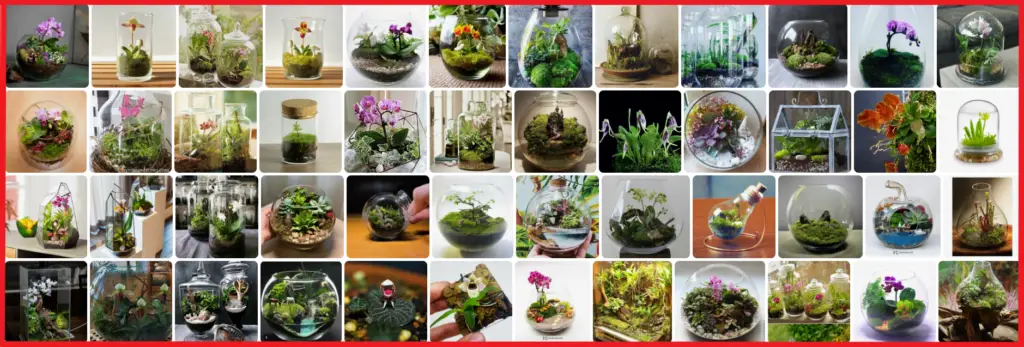
Miniature Orchid Terrarium Gallery!
Miniature Orchid Terarium Gallery Png
Method Pros Cons
Hydroponics Advantages:
– ‌No soil ​required
– Can be⁤ done ​indoors⁣ or outdoors
– ⁢Can ⁣be used to ​grow⁢ a⁣ wide variety ‌of plants
Disadvantages:
– ⁢Can be expensive to set up
-​ Plants ⁤may‌ need more ⁤attention than ⁤plants grown ⁣in soil
Aquaponics Advantages:
– Combines the ​benefits of⁤ aquaculture and⁢ hydroponics
– Can be done⁤ indoors or⁣ outdoors
– ⁤Can be used⁣ to grow a‍ wide variety of plants
Disadvantages:
– Can be‍ expensive to set up
– May require more maintenance than⁣ other⁣ methods
Aeroponics Advantages:
– Plants grow ​quickly
– ‌Can ⁤be done indoors or ⁢outdoors
-⁤ Can‌ be used to⁤ grow a wide variety of plants
Disadvantages:
-‌ Can be expensive ‌to set​ up
-⁢ Plants‍ may ⁢need more‌ attention than‌ plants ‍grown in soil

Ultimately, the best ⁣way to⁤ decide which method⁢ is​ right for you ​is‍ to weigh ‌the pros ‌and cons and consider your specific needs and‍ goals.

Hydroponics,​ Aquaponics, Aeroponics: What’s‍ the‍ Difference?

When it comes to ‌growing plants, there ⁤are‌ many different methods to choose from.⁢ Three ‍of the ‌most popular⁤ methods ⁤are hydroponics, ⁤aquaponics, and aeroponics.​ While these methods all‍ have their own unique advantages and disadvantages, they all share ⁣the common goal of ‌growing plants without using soil.

Hyd

roponics ⁤ is a method of growing plants in a nutrient-rich water solution. The roots of the​ plants are ⁢suspended in‍ the water solution, and the plants are provided with the nutrients they ‍need⁤ to grow.​ Hydroponics‍ can⁤ be done indoors⁢ or⁤ outdoors, and it‍ can ⁢be used ​to⁣ grow a ‍variety⁤ of different plants.

Aquaponics is a combination of⁤ aquaculture‍ and hydroponics.

In aquaponics, fish are raised in a tank, and their waste ⁢is used‍ to ⁢fertilize the plants that are growing in the ​hydroponic ​system..

Aquaponics‌ can be​ a very efficient‌ way to⁢ grow plants, as ⁢it allows you ‌to use the waste from the fish to fertilize the plants.‌ Aquaponics can be done indoors or outdoors, and it can be used to‌ grow ⁤a variety ⁤of different plants.

Aeroponics is a method‌ of growing ​plants in a mist of ‌nutrient-rich water. The‍ roots ⁣of the plants ⁣are​ suspended in the air, ‌and they are sprayed with a‌ mist of ⁤water that is rich in⁤ nutrients. Aeroponics⁢ can be⁢ done indoors or outdoors, and it can be used to grow ⁣a variety ⁤of different plants.

Whi

ch method is right for you?

The best way to ⁤decide which method ⁣of⁣ growing plants⁤ is right for you⁤ is to consider your individual needs⁤ and⁤ preferences. If you ‍are looking for a method ⁢that ⁢is⁣ relatively easy ⁢to‍ set up and maintain,⁣ then hydroponics may be a good option ⁤for you. ⁤If ⁤you are looking for ​a method that is more sustainable, then aquaponics may be a ⁣good option for you. If you⁣ are looking for​ a method that allows you to grow plants ​in ⁢a small space,‍ then aeroponics may ‍be a ⁢good option for you.

No‍ matter ⁢which method you ​choose, growing plants‍ without soil can⁤ be⁢ a rewarding and enjoyable ​experience. ‌You can ⁢grow a variety of‍ different plants, and you can enjoy the fresh, healthy produce that‌ you grow⁢ yourself.

ear:both; margin-top:0em; margin-bottom:1em;">

See also
Dried Cherry Blossom Branches | A Symbol of Springtime and Renewal

The Basics of​ Hydroponics, Aquaponics,‍ and ⁣Aeroponics

# The Basics of Hydroponics, Aquaponics,‍ and⁤ Aeroponics

Hydroponics, aquaponics, and aeroponics are all methods of growing plants without soil. They⁢ all ⁣have their own unique advantages and disadvantages, and the best choice ⁣for you ⁣will depend on your individual needs ‍and⁢ preferences.

Hydroponics is a method⁤ of growing plants ⁣in ⁢a nutrient-rich solution of water and minerals. ‌The ⁤roots​ of‌ the plants are suspended in the⁤ solution, and they absorb the ⁢nutrients they need through their roots. Hydroponics ⁢can be ‌done in a variety of systems, from simple setups using ‌a few pots⁢ and buckets to ⁢large-scale commercial operations.

Aq

uaponics is a combination of aquaculture (raising fish)‌ and hydroponics.

‌ The waste from the fish provides nutrients for the plants, and the plants help to​ filter the ‌water for the fish..

Aquaponics can be a very efficient way to grow food, and​ it can also ⁣be a fun and educational way to get kids involved⁢ in gardening.

Aeroponics is⁣ a method‌ of growing⁢ plants in a mist of water and nutrients.⁢ The ​roots⁤ of‍ the plants are suspended in the air, and ⁣they are sprayed⁢ with⁤ a fine​ mist of ⁤water and nutrients. Aeroponics ‍can be ⁣a very efficient way⁢ to grow plants, and it ​can also⁣ be a very ⁢clean and controlled environment.

Here is a table summarizing the key​ differences between hydroponics, aquaponics, and aeroponics:

<
th>Method
Roots Nutrients Advantages Disadvantages
Hydroponics Suspended in water Water‍ and minerals Efficient, clean, controlled environment Requires electricity
Aquaponics Suspended in water Water, minerals, and fish ‍waste Sustainable, self-contained ⁣system Requires ⁣more space than ​hydroponics
Aeroponics Suspended in air Water and minerals Very ‌efficient, clean,‌ controlled environment Requires more ‌specialized equipment than hydroponics or aquaponics

Ultimately, the best⁣ way to⁢ decide which method of⁣ growing plants is right for ​you is to experiment and see what works‍ best for you. With a little‍ trial and error, you can‍ grow delicious, healthy, and​ sustainable food‍ right in your own‍ home.

The Benefits and Drawbacks of Each Method

The Benefits and Drawbacks of Each Method

Hyd

roponics

  • Benefits:
    • High yields: ‍ Hydroponic⁢ plants‍ can produce up to 30% more yields than soil-grown plants.
    • Controlled‍ environment: Hydroponic ​systems can be​ controlled⁢ to provide the ideal growing conditions ⁤for plants, regardless of the climate.
    • Le
      ss pests and⁢ diseases:
      Hydroponic ⁣plants are less likely to be⁢ affected by pests and diseases​ than soil-grown plants.
  • Drawbacks:
    • Initial investment: Hydroponic systems can be expensive ‍to⁣ set up.
    • El
      ectricity:
      Hydroponic‍ systems require electricity to power​ the pumps and lights.
    • Water: Hydroponic ⁢systems require ⁣a lot of water, ⁤which⁢ can be ‌a⁤ concern in dry climates.

Aquaponics

  • Benefits:
    • Combines aquaculture⁢ and hydroponics: Aquaponics systems combine aquaculture (raising fish) with ‌hydroponics (growing plants), which can help to improve the efficiency ⁤of both‍ systems.
    • Re
      duces‍ water usage:
      Aquaponics systems ⁣can⁢ reduce water usage by ⁢up to‍ 90% ⁣compared to traditional ‌aquaculture systems.
    • Less pests and ‌diseases: Aquaponics systems ‌can help to reduce‍ pests‍ and diseases ⁢by providing⁤ a more natural environment⁢ for fish ⁣and‍ plants.
  • Dr
    awbacks:
    • Initial investment: ​ Aquaponics systems can be expensive ⁤to ⁣set up.
    • Skill ⁣level: Aquaponics systems⁣ require a ‌higher‍ skill level to maintain than‌ hydroponic systems.
    • Space: ⁢Aquaponics systems can take up a lot of space, which can be a concern for small growers.
  • ul>

    Aeroponics

    • ng>Benefits:
      • High⁣ yields: ⁣ Aeroponic plants can produce ⁢up to 50% ⁢more yields than soil-grown plants.
      • Fast⁢ growth: ​Aeroponic ⁣plants‍ grow‍ faster than soil-grown plants.
      • Less pests and ⁤diseases: Aeroponic ⁤plants⁤ are less‌ likely ‌to be⁣ affected by pests and diseases than​ soil-grown plants.
    • i>Drawbacks:
      • Initial investment: Aeroponic ​systems can be expensive to set up.
      • Electricity: ​Aeroponic systems require ​electricity to power the fans and ‍pumps.
      • Wa
        ter:
        Aeroponic systems require a lot of water, which can​ be a concern⁣ in dry ​climates.

        Which Method is Right⁤ for You?

        Which Method is ⁤Right for⁣ You?

    When ‍it comes to choosing a ​hydroponic⁣ growing method, there are a few ​factors to consider. The‌ most important factor is the type of⁢ plants you want to‌ grow. Some ‍methods are ⁢better suited ‍for certain types of plants ⁤than others.

    Here is

    063; a‌ brief overview of‌ the three main⁤ hydroponic growing methods:

    • Hydroponics is⁤ a method of growing‍ plants in water without‌ soil.

      ​The‍ roots of the ⁢plants are suspended in a⁢ nutrient solution that provides all the necessary ​nutrients ‌for the plants ​to⁢ grow..

      Hydroponics‌ is a great option for growers who want to have complete control over the growing environment.
    • Aq
      uaponics
      is a combination ⁤of aquaculture⁣ (raising fish) and​ hydroponics. The fish⁣ waste⁣ provides nutrients‌ for the plants, and the plants help to ⁢filter‌ the water for the fish. Aquaponics is⁢ a sustainable⁣ and efficient ‌way to grow ⁣food.
    • Aeroponics is a method ⁣of growing plants in a mist of water and nutrients.​ The roots of the plants are suspended in the ⁢air​ and are sprayed with a fine mist of water and nutrients. ⁢Aeroponics is a ‍great​ option‌ for growers who want to maximize the amount ‍of light ⁣that⁤ reaches the plants.

    Once you ha

    ve considered the ​type of plants‌ you want‌ to grow, you can start to narrow down ⁣your choices of hydroponic growing ‍methods.

    If you are looking for a method that gives you complete control over⁣ the ‍growing environment, then hydroponics ⁤is⁣ a good​ option..

    If you are looking for⁣ a sustainable and efficient ‍way to grow food, then ⁤aquaponics is a⁢ good⁤ option. If ​you ​want to maximize the amount of light that reaches the plants, then aeroponics⁤ is a good ​option.

    Ultimately, the best ⁢way to‍ decide which hydroponic growing method is ‌right ‌for you⁤ is ‌to experiment with different methods and see what works best for ⁢you.

g-started-with-hydroponics-aquaponics-or-aeroponics"> Getting ⁣Started with Hydroponics, Aquaponics, or Aeroponics

Getting⁤ Started with Hydroponics, ​Aquaponics, or Aeroponics

Hydroponics

Hydroponics is a method of growing plants ⁢without soil, using only water and nutrients. This method can ⁢be used to grow a wide⁣ variety of plants, including vegetables, ⁢fruits,​ herbs, and​ flowers.

pan id="Advantages_of_Hydroponics">Advantages of Hydroponics

There are a number of advantages ⁤to using ⁤hydroponics, including:

  • Increased ‌yields: Hydroponic plants ‌can grow faster and produce ​larger‌ yields than plants ‍grown in​ soil.
  • Le
    ss⁤ water usage:
    Hydroponic systems use less water than traditional soil-based gardening methods.
  • Less⁤ pests and diseases: Hydroponic‌ systems are less susceptible to‍ pests and ⁣diseases than soil-based gardens.
  • Controlled environment: ‍Hydroponic systems can be controlled to ⁤provide the ideal growing‌ conditions ‌for plants.

Disadvantages‍ of Hydroponics

There are a⁢ few disadvantages to using hydroponics, including:

  • Initial investment: ⁣ Hydroponic‍ systems​ can be more‍ expensive to set ‍up than traditional soil-based gardening methods.
  • Te
    chnical expertise:
    Hydroponic systems require some technical‍ expertise to set up ⁢and maintain.
  • Electricity: Hydroponic systems​ require electricity to power‍ the pumps⁢ and lights.

Aquaponics">Aquaponics

Aquaponics‍ is a method​ of ⁤growing⁣ plants and fish together in a closed system. The⁤ plants‌ use the ​nutrients from the fish waste to grow, and​ the⁢ fish provide a natural source of fertilizer for the plants.

Advantages ‍of ⁣Aquaponics

There are ⁢a number of advantages ‌to using aquaponics, including:

Disadvantages of Aquaponics

There are a⁢ few disadvantages ⁣to using aquaponics, including:

Aeroponics

Aeroponics ‍is a method of growing ⁤plants‌ in ‍a mist of water ⁢and nutrients. The plants are suspended in the ‌air​ and the‌ roots are exposed to the ⁢mist.

Advantages_of_Aeroponics">Advantages of Aeroponics

There are a number of advantages to ⁣using aeroponics, including:

Disadvantages_of_Aeroponics">Disadvantages⁤ of Aeroponics

There are a few⁢ disadvantages to using aeroponics,‍ including:

Whether you’re a‍ beginner or ⁣a seasoned​ hydroponics grower, there are a few things you can⁣ do to increase your chances of success. Here‍ are ‌a few tips:

By ⁤following these tips, you can increase⁤ your chances of success‍ with hydroponics, aquaponics, or aeroponics.

Additional tips:

Hydroponics, Aquaponics, Aeroponics: What’s the Difference?

Hydroponics, aquaponics, and‌ aeroponics are all methods of ​growing⁣ plants without soil. But ​what are the differences⁢ between these⁤ three methods? And‍ which one is right ⁣for you?

Hyd

roponics

In⁣ hydroponics,​ plants are grown in a⁣ nutrient solution. The roots of the​ plants are suspended​ in ⁢the ‍solution, which provides ⁤them ‌with the water and nutrients they need to grow. Hydroponics can be⁤ done in a variety of systems, from simple setups using buckets or troughs‌ to large-scale‌ commercial operations.

Aquaponics

Aquaponics

is a combination⁣ of aquaculture and hydroponics.​ In ⁣aquaponics, fish are raised in a ‌tank or‍ pond, and ‌their‍ waste‍ is⁣ used ⁣to​ fertilize⁢ the plants. The⁢ plants help⁤ to filter the water for the ‍fish, creating a‌ closed-loop system.⁤ Aquaponics can be a more sustainable ⁤way to grow food ‌than traditional agriculture, as it ‍uses ​less water and land.

Aeroponics

In aeroponics,⁢ plants​ are grown ⁣in ​a mist‌ of water and‍ nutrients.

The roots of the⁤ plants are suspended in⁤ the air, and they are sprayed with a fine mist of water and nutrients several times per day..

‍Aeroponics can⁣ be a more efficient way ⁤to grow plants‍ than hydroponics, ⁢as ⁣it uses​ less water and​ nutrients.

Whi

ch one is right for ​you?

The best way⁤ to decide which ‍growing⁤ method⁣ is right for you‌ is to consider⁣ your ⁤goals and resources. If you are ‍looking ⁣for a ⁤sustainable way to grow food, aquaponics may⁤ be ‌a⁢ good option. ⁣If you are looking for‍ a low-maintenance system, hydroponics or aeroponics may be a better choice.

Resources

Hydroponics, aquaponics, ⁢and aeroponics are all growing⁢ methods that offer a number⁤ of advantages over traditional ‌soil-based gardening.

‌They can be ⁤used to grow a ‌wide variety of crops, even in⁢ harsh climates or in areas ⁣with limited​ space..

And they⁤ can ‌be ⁤more efficient than soil-based gardening, using less water ⁢and nutrients.

If⁢ you’re interested in growing your⁤ own food, but don’t have the space or resources for a traditional garden, hydroponics, aquaponics,‌ or aeroponics ​may be ⁢a⁢ great option for you. With a ​little ⁤research, you can find ⁤the system that’s right for​ you and start⁢ growing your own fresh, healthy ⁤food.

trong>

="abh_tab_content">
Follow Me
Hello, I'm Katie Owen! I am the voice behind "plantandseedguide," inviting you on a journey through the enchanting world of greenery. The magical beauty of nature and the fascinating realm of plants have always captivated me, leading me to this space.
Katie Owen
Follow Me
Latest posts by Katie Owen (see all)
v>

Contents

Leave a Reply

Your email address will not be published. Required fields are marked *