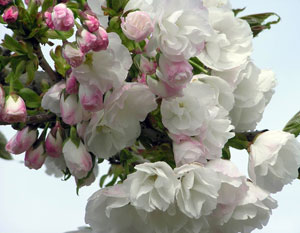
The Fuji cherry tree (Prunus avium ‘Fuji’) is a popular choice for home gardeners because of its delicious fruit and beautiful flowers.
This article will discuss the benefits of growing a Fuji cherry tree, how to choose the right tree for your yard, where to buy a tree, and how to plant, care for, and prune it..
Benefits of Growing a Fuji Cherry Tree
There are many benefits to growing a Fuji cherry tree, including:
Pruning a Fuji cherry tree is important for maintaining a healthy shape and preventing disease.
Pruning should be done in late winter or early spring, before the tree starts to grow.
How to Harvest Fuji Cherries
Fuji cherries are ripe when they are deep red in color and the flesh is soft and juicy.
To harvest the cherries, simply pick them from the tree.
block-heading">Pests and Diseases of Fuji Cherry Trees
Fuji cherry trees are susceptible to a variety of pests and diseases, including:
Fuji cherry trees are a popular choice for home gardeners because they are easy to grow and produce delicious fruit. Here are some of the benefits of growing a Fuji cherry tree:
They are cold-hardy and can withstand temperatures as low as -20 degrees Fahrenheit. This makes them a good choice for gardeners in colder climates.
They are se
lf-pollinating, which means that you only need one tree to produce fruit. This can save you money on buying multiple trees.
They are fast-growing and can reach a mature height of 20 to 30 feet. This means that you can enjoy fresh cherries sooner than you would with other varieties of cherry trees.
They produce large, sweet fruit that is perfect for eating fresh, making into jams and jellies, or canning. Fuji cherries are also a good source of vitamins and minerals.
If you are looking for a delicious and easy-to-grow fruit tree, a Fuji cherry tree is a great option.
How to choose the right Fuji cherry tree for your yard
When choosing a Fuji cherry tree for your yard, there are a few factors to consider.
First, cons
ider the size of the tree. Fuji cherry trees can grow to be quite large, so it is important to make sure that you have enough space for the tree to mature.
Second, consider the climate in your area. Fuji cherry trees are hardy in USDA zones 5-8, but they will not tolerate extreme heat or cold.
Third, consider the soil conditions in your yard. Fuji cherry trees prefer well-drained soil that is rich in organic matter.
Finally, co
nsider the purpose of the tree. If you are looking for a tree to produce fruit, you will need to choose a variety that is known for its good yields.
Once you have considered all of these factors, you can start narrowing down your choices of Fuji cherry trees. There are many different varieties to choose from, so you are sure to find one that is perfect for your yard.
Where to buy a Fuji cherry tree
You can buy a Fuji cherry tree from a variety of sources, including:
Mulch around the tree to help keep the soil moist.
After
planting your Fuji cherry tree, you will need to water it regularly, especially during dry spells. You will also need to fertilize the tree every spring. To keep your tree healthy and productive, you will need to prune it regularly.
Here are some frequently asked questions about growing Fuji cherry trees:
Q: What are the benefits of growing a Fuji cherry tree?
A: Fuji che
rry trees are beautiful, ornamental trees that produce delicious fruit. They are also relatively easy to grow and care for.
Q: How do I choose the right Fuji cherry tree for my yard?
A: When choosing a Fuji cherry tree, it is important to consider the size of your yard, the climate in your area, and your desired fruit yield.
A: You can buy Fuji cherry trees from online retailers, garden centers, and nurseries.
Q: How do I plant a Fuji cherry tree?
A: To plant
a Fuji cherry tree, dig a hole that is twice the width and depth of the tree’s root ball. Place the tree in the hole and fill it with soil. Water the tree well and mulch around the base to help retain moisture.
Q: How do I care for a Fuji cherry tree?
A: To care for a Fuji cherry tree, water it regularly, fertilize it once a year, and prune it as needed.
Q: How do I
prune a Fuji cherry tree?
A: To prune a Fuji cherry tree, remove dead, diseased, or damaged branches. You can also thin out the tree to improve air circulation and light penetration.
Q: How do I harvest Fuji cherries?
A: To harve
st Fuji cherries, wait until the fruit is ripe and has a deep red color. Gently remove the cherries from the tree and place them in a bowl or basket.
Q: What are the pests and diseases of Fuji cherry trees?
A: Fuji cherry trees can be susceptible to a number of pests and diseases, including aphids, borers, leaf spot, and powdery mildew.
Q: What is
the best way to prevent pests and diseases on my Fuji cherry tree?
A: The best way to prevent pests and diseases on your Fuji cherry tree is to practice good tree care. This includes watering the tree regularly, fertilizing it once a year, and pruning it as needed. You can also protect the tree from pests and diseases by spraying it with an insecticide or fungicide.
Q: What is the lifespan of a Fuji cherry tree?
A: A Fuji c
herry tree can live for up to 100 years.
How to prune a Fuji cherry tree
Pruning a Fuji cherry tree is important for maintaining its health and productivity. It can also help to improve the appearance of the tree.
The best time to prune a Fuji cherry tree is in late winter or early spring, before the tree begins to leaf out. This will allow you to see the structure of the tree and make informed decisions about what branches to prune.
When prunin
g a Fuji cherry tree, it is important to remove any dead, diseased, or damaged branches. You should also thin out the tree by removing any branches that are crossing each other or growing inward. This will help to improve air circulation and light penetration, which can reduce the risk of disease and pests.
It is also important to prune the tree to maintain its desired shape.
For example, if you want to keep the tree as a single trunk, you will need to remove any branches that are growing from the bottom of the tree..
If you want to create a multi-stemmed tree, you will need to leave some of the lower branches intact.
Pruning a Fuji cherry tree can be a daunting task, but it is important to remember that it is a necessary part of tree care. By following these tips, you can help to keep your tree healthy and productive for years to come.
How to harv
est Fuji cherries
How to harvest Fuji cherries
Fuji cherries are ripe and ready to harvest when they are deep red in color and the flesh is soft and juicy. The best time to harvest Fuji cherries is in late summer or early fall.
To harvest Fuji cherries, gently grasp the stem of the cherry and pull it straight down. Be careful not to damage the fruit.
Once you ha
ve harvested the cherries, store them in a cool, dry place. They will keep for up to a week at room temperature or for up to two months in the refrigerator.
Fuji cherries are a delicious and nutritious fruit. They are a good source of vitamins, minerals, and antioxidants. Enjoy them fresh or use them in pies, cakes, and other desserts.
Pests and diseases of Fuji cherry trees
Fuji cherry trees are susceptible to a number of pests and diseases, including:
block-list">
Bacterial canker
Cherry leaf spot
Powdery mildew
s="wp-block-list">
Rust
Twig blight
Verticillium wilt
It is
important to be aware of these pests and diseases so that you can take steps to prevent them from damaging your trees.
Here are some tips for preventing pests and diseases on your Fuji cherry trees:
Plant your trees in a sunny location with well-drained soil.
s="wp-block-list">
Prune your trees regularly to remove diseased branches.
Water your trees regularly, but do not overwater them.
Apply a fungicide or insecticide to your trees as needed.
If yo
u notice any signs of pests or diseases on your trees, it is important to treat them immediately.
Here are some tips for treating pests and diseases on your Fuji cherry trees:
For bacterial canker, prune out infected branches and treat the tree with a copper fungicide.
s="wp-block-list">
For cherry leaf spot, prune out infected leaves and treat the tree with a fungicide containing copper or sulfur.
For powdery mildew, spray the tree with a fungicide containing sulfur or neem oil.
For rust, spray the tree with a fungicide containing copper or sulfur.
s="wp-block-list">
For twig blight, prune out infected branches and treat the tree with a fungicide containing copper or sulfur.
For Verticillium wilt, there is no cure. Affected trees should be removed and destroyed.
By following these tips, you can help to protect your Fuji cherry trees from pests and diseases.
block-heading">FAQ
Q: What are the benefits of growing a Fuji cherry tree?
A: Fuji cherry trees are beautiful trees that produce delicious fruit. They are also relatively easy to grow and care for.
Q: How do I choose the right Fuji cherry tree for my yard?
A: When cho
osing a Fuji cherry tree, you will need to consider the size of your yard, the climate in your area, and your desired harvest time.
Q: Where can I buy a Fuji cherry tree?
A: You can buy Fuji cherry trees from a variety of sources, including nurseries, garden centers, and online retailers.
Hello, I'm Katie Owen! I am the voice behind "plantandseedguide," inviting you on a journey through the enchanting world of greenery. The magical beauty of nature and the fascinating realm of plants have always captivated me, leading me to this space.
href="https://plantandseedguide.com/advices-tips/why-are-the-tips-of-my-snake-plant-turning-brown-2/">Why Are the Tips of My Snake Plant Turning Brown - January 25, 2025