Apple trees are a staple of many orchards and backyards, but did you know that you can enhance their growth and productivity by planting companion plants?
Companion planting is a gardening technique that involves planting different types of plants together to create a mutually beneficial relationship. When it comes to apple trees, there are a number of companion plants that can help to improve their health and yield.
In this article, we’ll discuss the benefits of companion planting for apple trees, and we’ll recommend some of the best companion plants to grow alongside your trees.
We’ll also provide tips on how to properly plant and care for your companion plants, so you can get the most out of this gardening technique..
So if you’re looking to boost the productivity of your apple trees, be sure to consider companion planting!
Enhance Your Apple Trees with Companion Plants
Apple trees are a staple of many backyards, and for good reason. They’re relatively easy to grow, produce delicious fruit, and can provide shade and beauty for years to come. But did you know that you can enhance your apple trees by planting companion plants?
Loading... Seconds Left for
Miniature Orchid Terrarium Gallery!
Companion plants are plants that are beneficial to each other when grown together. They can help to improve the health of your apple trees in a number of ways, including:
ng>Attracting pollinators: Many companion plants attract pollinators, such as bees and butterflies. These pollinators help to ensure that your apple trees produce a bumper crop of fruit.
Reducing pests: Some companion plants can help to repel pests, such as aphids and mites. This can help to keep your apple trees healthy and free of damage.
Improving soil quality: Some companion plants can help to improve the soil quality around your apple trees. This can make it easier for your trees to absorb nutrients and water, and can help to reduce the risk of disease.
If yo
u’re looking to enhance the health and productivity of your apple trees, consider planting some companion plants. Here are a few good options to consider:
Borage: Borage attracts pollinators and helps to improve soil quality.
Calendula: Calendula repels pests and helps to improve soil quality.
Chamomile: Chamomile repels pests and helps to improve soil quality.
Clover: Clover fixes nitrogen in the soil, which can help to improve the health of your apple trees.
Dill: Dill attracts pollinators and helps to improve soil quality.
Marigolds: Marigolds repel pests and help to improve soil quality.
Nasturtiums: Nasturtiums attract pollinators and help to improve soil quality.
Parsley: Parsley attracts pollinators and helps to improve soil quality.
By pl
anting these companion plants around your apple trees, you can help to create a healthy and productive ecosystem that will benefit your trees for years to come.
What are Companion Plants?
# What are Companion Plants?
Companion planting is the practice of planting specific plants together to enhance each other’s growth and deter pests. When it comes to apple trees, there are a number of companion plants that can help to improve their health and productivity.
ng> Allium(onions, garlic, leeks): Alliums help to repel pests such as aphids, mites, and beetles. They also help to improve the soil by breaking down organic matter and releasing nutrients.
Brassicas(cabbage, broccoli, kale): Brassicas help to attract beneficial insects such as ladybugs and parasitic wasps, which can help to control pests. They also help to improve the soil by fixing nitrogen.
Cucumbersand melons: These plants help to attract pollinators such as bees and butterflies, which can help to increase fruit production. They also help to shade the roots of apple trees, which can help to keep them cool and healthy.
</strong>Legumes(peas, beans, lentils): Legumes help to improve the soil by fixing nitrogen. They also help to suppress weeds and attract beneficial insects.
Marigolds: Marigolds help to repel pests such as aphids, mites, and beetles. They also help to improve the soil by breaking down organic matter and releasing nutrients.
By planting these companion plants with your apple trees, you can help to improve their health and productivity, and reduce the need for pesticides.
-choose-companion-plants-for-apple-trees">How to Choose Companion Plants for Apple Trees
How to Choose Companion Plants for Apple Trees
Apple trees are a staple of many backyard gardens, and for good reason. They’re relatively easy to grow, produce delicious fruit, and can provide shade and beauty. But did you know that you can also enhance your apple trees by planting companion plants?
Companion planting is the practice of planting different types of plants together in order to create a mutually beneficial relationship. Companion plants can help to improve the health of your apple trees in a number of ways, including:
Attracting pollinators: Many flowers and herbs attract pollinators, such as bees and butterflies, which help to pollinate apple trees. This can lead to a higher yield of fruit.
Reducing pests: Some plants can help to repel pests that can damage apple trees, such as aphids, mites, and beetles.
Improving soil quality: Some plants can help to improve the soil quality around apple trees, making it more fertile and easier for the trees to absorb nutrients.
Providing shade: Some plants can provide shade for apple trees, which can help to protect the trees from the sun’s harsh rays.
When
choosing companion plants for your apple trees, it’s important to consider the specific needs of your trees.
Some plants are better suited for certain climates and soil conditions than others..
It’s also important to make sure that the companion plants you choose won’t compete with your apple trees for water or nutrients.
Here are a few of the best companion plants for apple trees:
Basil: Basil is a great companion plant for apple trees because it helps to repel pests, such as aphids and mites. It also attracts pollinators, which can help to improve the yield of fruit.
Chrysanthemums: Chrysanthemums help to repel pests, such as Japanese beetles and aphids. They also improve soil quality and provide shade.
Dill: Dill helps to attract pollinators, such as bees and butterflies. It also improves soil quality and can help to reduce the incidence of apple scab.
Marigolds: Marigolds help to repel pests, such as nematodes and aphids. They also improve soil quality and can help to reduce the incidence of apple scab.
Nasturtiums: Nasturtiums help to attract pollinators, such as bees and butterflies. They also improve soil quality and can help to reduce the incidence of apple scab.
By planting companion plants for your apple trees, you can help to improve their health and productivity. So next time you’re planning your garden, be sure to include some of these beneficial plants.
The Best Companion Plants for Apple Trees
The Best Companion Plants for Apple Trees
Apple
64;trees are a staple of many backyards, and for good reason. They’re beautiful, they produce delicious fruit, and they’re relatively easy to care for. But did you know that companion planting can help to improve the health and productivity of your apple trees?
Companion planting is the practice of planting different types of plants together in order to create a mutually beneficial relationship. The plants in your apple tree’s “neighborhood” can help to improve its health in a number of ways, including:
Attracting pollinators: Pollinators, such as bees and butterflies, are essential for apple trees to produce fruit. By planting flowers that attract pollinators near your apple trees, you can help to ensure that your trees are properly pollinated and produce a bountiful harvest.
Providing nutrients: Some companion plants can help to improve the soil quality around your apple trees, providing them with the nutrients they need to thrive.
For example, legumes such as peas and beans fix nitrogen in the soil, which can help to improve the fertility of your soil..
Distracting pests: Certain companion plants can help to distract pests from your apple trees. For example, marigolds are known to repel pests such as aphids and Japanese beetles.
If you’re looking to improve the health and productivity of your apple trees, consider planting some of the following companion plants:
ng>Allium: Alliums, such as garlic and onions, help to repel pests such as aphids, cabbage moths, and Japanese beetles.
Bee balm: Bee balm attracts pollinators, such as bees and butterflies.
Borage: Borage helps to improve the soil quality around apple trees, providing them with the nutrients they need to thrive.
Clover: Clover fixes nitrogen in the soil, which can help to improve the fertility of your soil.
Marigolds: Marigolds help to repel pests such as aphids and Japanese beetles.
Nasturtiums: Nasturtiums attract pollinators, such as bees and butterflies.
Pot marigolds: Pot marigolds help to improve the soil quality around apple trees, providing them with the nutrients they need to thrive.
Sweet alyssum: Sweet alyssum attracts pollinators, such as bees and butterflies.
By planting these companion plants near your apple trees, you can help to create a healthier and more productive orchard.
-plant-companion-plants-with-apple-trees">How to Plant Companion Plants with Apple Trees
How to Plant Companion Plants with Apple Trees
Apple trees are a staple of many orchards and backyards, and for good reason. They’re delicious, nutritious, and relatively easy to grow. But did you know that you can also improve the health and productivity of your apple trees by planting companion plants?
Com
panion plants are plants that are grown in close proximity to each other for mutual benefit. Some companion plants help to improve the soil, while others attract beneficial insects or deter pests. Still others can help to improve the flavor or appearance of the apples.
Here are a
few of the best companion plants for apple trees:
Allium (onions, garlic, chives) – These plants help to repel pests such as aphids, mites, and beetles.
Borage - This plant attracts pollinators such as bees and butterflies.
Clover – This plant helps to improve the soil structure and fertility.
Marigolds - These plants help to repel pests such as nematodes and aphids.
When planting companion plants with apple trees, it’s important to choose plants that have similar water and sunlight requirements. It’s also important to space the plants appropriately so that they don’t compete for resources.
By
planting companion plants with your apple trees, you can help to improve their health and productivity, and you can also reduce the need for pesticides and other chemicals.
For more information on companion planting, please visit the following resources:
How to Care for Companion Plants with Apple Trees
How to Care for Companion Plants with Apple Trees
Apple trees are a staple of many backyards and orchards, and for good reason. They’re relatively easy to grow, produce delicious fruit, and can provide shade and shelter for other plants. But did you know that companion planting can help apple trees thrive?
Com
panion planting is the practice of planting different types of plants together in order to create a mutually beneficial relationship. Some plants, for example, can help to attract pollinators, while others can help to deter pests. By choosing the right companion plants for your apple trees, you can help to improve their health and productivity.
Here are a
few tips for caring for companion plants with apple trees:
Choose plants that will benefit your apple trees. Some good companion plants for apple trees include:
Nectar-producing flowers: These flowers will attract pollinators, which are essential for apple tree reproduction. Some good options include marigolds, sunflowers, and lavender.
Herbs: Herbs can help to repel pests, such as aphids and spider mites. Some good options include mint, rosemary, and thyme.
Cover crops: Cover crops help to improve the soil quality and can also help to suppress weeds. Some good options include clover, alfalfa, and winter rye.
Plant companion plants in a staggered pattern. This will help to create a more balanced ecosystem and will make it easier for the plants to access sunlight and nutrients.
ng>Water and fertilize your companion plants regularly. Just like your apple trees, your companion plants need water and nutrients to thrive. Make sure to water them regularly and fertilize them according to the package directions.
By following these tips, you can help your apple trees and their companion plants thrive. With a little care, you can enjoy delicious, healthy apples for years to come.
pan id="Resources">Resources
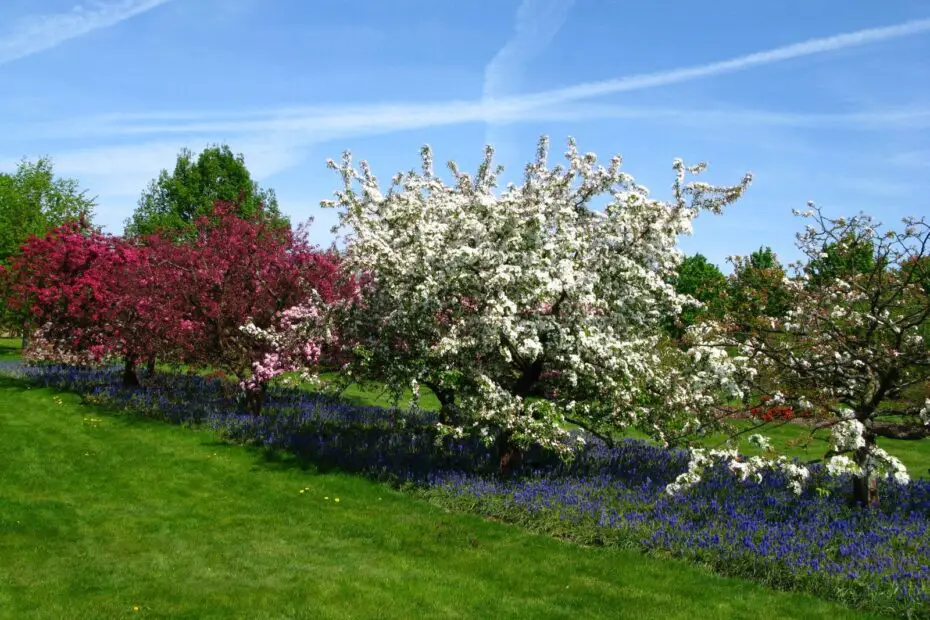
[Image of an apple tree with companion plants]
Enhance Your Apple Trees with Companion Plants
Apple trees are a staple of many gardens, and for good reason. They’re beautiful, they produce delicious fruit, and they’re relatively easy to care for. But did you know that you can actually enhance the growth and productivity of your apple trees by planting companion plants?
Companion p
lants are plants that benefit each other when they’re grown together. They can provide a number of benefits to apple trees, including:
Attracting pollinators. Apple trees need pollinators to produce fruit, and companion plants can help attract bees and other insects to your garden. Some good choices for attracting pollinators include lavender, mint, and sunflowers.
Providing nutrients. Some companion plants can help to improve the soil quality around your apple trees, providing them with the nutrients they need to thrive. Good choices for providing nutrients include comfrey, clover, and beans.
Distracting pests. Some companion plants can help to deter pests from your apple trees. Good choices for deterring pests include marigolds, garlic, and chives.
By planting companion plants around your apple trees, you can help to improve their health and productivity. So next time you’re planning your garden, be sure to include some companion plants for your apple trees!
Apple trees are a beautiful and delicious addition to any garden.
With a little care and attention, you can enjoy fresh apples for years to come..
Companion planting is a great way to help your apple trees thrive. By choosing the right plants to grow near your apple trees, you can improve their health and productivity. So next time you’re planning your garden, be sure to include some companion plants for your apple trees.
Here are some tips for choosing companion plants for your apple trees:
Choose plants that have similar water and sunlight requirements.
Avoid plants that are known to compete with apple trees for nutrients.
Consider the size of the plants when they mature.
Plant companion plants that will attract beneficial insects and pollinators.
With a little planning, you can create a beautiful and productive apple tree garden that will provide you with delicious fruit for years to come.
Hello, I'm Katie Owen! I am the voice behind "plantandseedguide," inviting you on a journey through the enchanting world of greenery. The magical beauty of nature and the fascinating realm of plants have always captivated me, leading me to this space.