With their chubby leaves and cute, toe-like appearance, baby toes succulents (also known as “hens and chicks” or ”graptopetalum”) are a popular choice for gardeners of all levels. These low-maintenance plants are easy to care for and can thrive in a variety of conditions, making them a great option for beginners or those with limited space.
In this article, we’ll take a closer look at baby toes succulents, discussing their unique appearance, care requirements, and propagation methods. We’ll also provide some tips on how to create a beautiful and thriving baby toes succulent garden.
So if you’re looking for a low-maintenance, easy-to-care-for plant that will add a touch of personality to your home or garden, read on for all the information you need to know about baby toes succulents!
All About Baby Toes Succulents
Loading... Seconds Left for
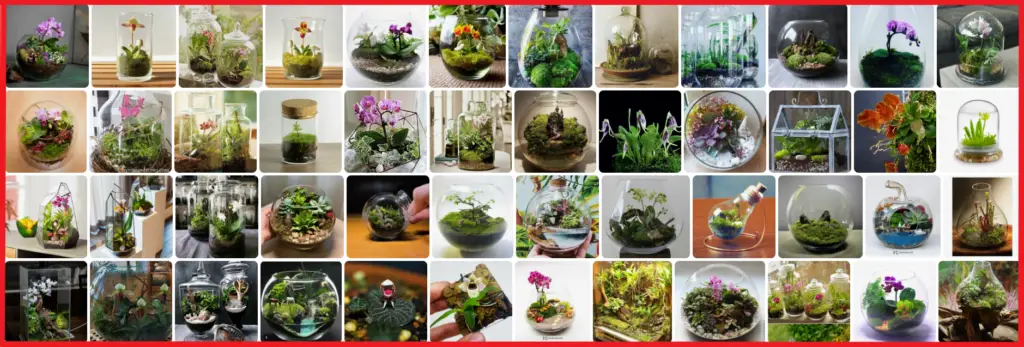
Miniature Orchid Terrarium Gallery!
Baby toes succulents (Fenestraria rhopalophylla) are a type of succulent plant that is native to the deserts of South Africa.
They are characterized by their small, round leaves that are arranged in a rosette formation..
The leaves are covered in a waxy coating that helps to protect them from the sun and the dry desert climate.
Bab
y toes succulents are easy to care for and make great houseplants. They can tolerate a wide range of conditions, including drought, heat, and neglect. They do best in bright, indirect sunlight and well-draining soil. Water them only when the soil is dry to the touch.
Baby toes s
ucculents are also very easy to propagate.
Simply remove a leaf from the plant and allow it to dry for a few days..
Then, place the leaf on top of some soil and mist it regularly. The leaf will eventually form roots and a new plant will grow.
Baby toes succulents are a beautiful and low-maintenance addition to any home or garden. They are also a great way to learn about succulents and how to care for them.
rong>Here are some additional tips for caring for baby toes succulents:
Water them sparingly. Baby toes succulents are drought-tolerant plants and do not need to be watered often. Only water them when the soil is dry to the touch.
Provide bright, indirect sunlight. Baby toes succulents need plenty of sunlight to thrive. Place them in a spot where they will receive at least six hours of direct sunlight per day.
Use well-draining soil. Baby toes succulents do not like to sit in wet soil. Make sure the soil you use is well-draining and allows excess water to escape.
Fertilize them lightly. Baby toes succulents do not need a lot of fertilizer. Fertilize them once a month with a diluted liquid fertilizer.
Repot them as needed. Baby toes succulents will eventually outgrow their pots. Repot them when the roots start to grow out of the drainage holes.
By following these tips, you can help your baby toes succulents thrive and enjoy their beauty for many years to come.
re-baby-toes-succulents"> What Are Baby Toes Succulents?
What Are Baby Toes Succulents?
Baby toes succulents (Haworthia fasciata) are a type of succulent plant that is native to South Africa. They are characterized by their small, fleshy leaves that are arranged in a rosette formation. The leaves are often green or gray-green, and they may have white or yellow stripes or spots. Baby toes succulents are relatively easy to care for, and they make great houseplants.
Here are some tips for caring for baby toes succulents:
Water your baby toes succulents regularly, but only when the soil is dry.
Fertilize your baby toes succulents once a month with a diluted succulent fertilizer.
Repot your baby toes succulents every two years or so, as they grow.
Baby 63;toes succulents can tolerate a wide range of temperatures, but they prefer to be kept in bright, indirect sunlight.
Baby toes succulents are not toxic to humans or animals, so they are safe to have around children and pets.
D;toes succulents (Fenestraria rhopalophylla) are a popular choice for succulent lovers because they are easy to care for and have a unique appearance. These plants are native to the deserts of South Africa, so they are well-adapted to dry conditions.
Watering
Baby toes succulents should only be watered when the soil is dry. A good rule of thumb is to water your plant once the top inch of soil is dry. You can also check to see if your plant needs water by gently pinching the leaves. If the leaves are soft and pliable, they are hydrated. If the leaves are firm and dry, it is time to water your plant.
Light
Baby toes succulents need bright light, but they should not be exposed to direct sunlight. A south-facing window is ideal, but you can also grow your plant under grow lights.
Temperature
Baby toes&#
x2062; succulents can tolerate a wide range of temperatures, but they do best in warm weather. The ideal temperature range is between 65 and 85 degrees Fahrenheit.
Fertilizer
Baby toes succulents do not need a lot of fertilizer. A light application of fertilizer once a month is all that is needed.
Pests and Diseases
Baby toes succulents are not susceptible to many pests or diseases. However, they can be affected by mealybugs and scale. If you notice any pests on your plant, you can treat them with a neem oil solution or insecticidal soap.
Propagation
Baby toes s
ucculents can be propagated by leaf cuttings. To propagate a leaf cutting, simply remove a leaf from the plant and allow it to dry for a few days. Once the leaf is dry, place it on top of some soil and mist it regularly. The leaf will eventually form roots and a new plant.
Baby toes succulents are a beautiful and easy-to-care-for addition to any home. With proper care, your plant will thrive for many years to come.
Propagation of Baby Toes Succulents
Propagation of Baby Toes Succulents
Baby toes s
ucculents (Fenestraria rhopalophylla) are a popular choice for succulent enthusiasts because of their unique appearance and easy care requirements. Propagation is also relatively simple, and can be done by either leaf or stem cuttings.
Leaf cuttings
To propagate a baby toes succulent from a leaf cutting, simply remove a healthy leaf from the plant and allow it to dry for a few days. Once the leaf is dry, place it on top of a well-draining soil mix and mist it lightly. The leaf will eventually form roots and a new plant will grow.
Stem cuttings
Stem cuttings can also be used to propagate baby toes succulents. To do this, simply remove a healthy stem from the plant and allow it to dry for a few days. Once the stem is dry, place it in a pot of well-draining soil mix and water it lightly. The stem will eventually form roots and a new plant will grow.
Propagation tips
Here
; are a few tips for propagating baby toes succulents:
Use a well-draining soil mix.
Water the cuttings lightly and allow the soil to dry completely between waterings.
Place 63; the cuttings in a bright, indirect light location.
Be patient! It may take a few weeks or months for the cuttings to form roots and new growth.
With a little patience, you can easily propagate your own baby toes succulents and enjoy their unique beauty for years to come.
Additional information
Baby toes succulents are native to the deserts of South Africa.
They are drought-tolerant plants and can survive long periods of time without water.
BabyȆ2; toes succulents are also very tolerant of heat and sun.
They make excellent houseplants or outdoor container plants.
Pests and Diseases of Baby Toes Succulents
Pests and Diseases of Baby Toes Succulents
Baby&
#x2064; toes succulents are generally pest- and disease-free, but they can be susceptible to a few problems.
Mealybugs are small, white insects that feed on the sap of plants.
They can cause leaves to wilt and turn yellow..
To control mealybugs, you can wipe them off the leaves with a cotton swab dipped in rubbing alcohol, or you can spray the plants with a neem oil solution.
Scale insects are small, round insects that attach themselves to the leaves and stems of plants. They can cause leaves to yellow and drop. To control scale insects, you can scrape them off the leaves with a sharp knife, or you can spray the plants with a horticultural oil solution.
Aphids are small, soft-bodied insects that feed on the sap of plants. They can cause leaves to wilt and turn yellow. To control aphids, you can spray the plants with a water-and-dish soap solution, or you can introduce ladybugs or other natural predators to the garden.
Spider mites are tiny, eight-legged arachnids that feed on the sap of plants. They can cause leaves to become stippled or yellow. To control spider mites, you can spray the plants with a water-and-dish soap solution, or you can introduce predatory mites to the garden.
Fusarium wilt is a fungal disease that can cause leaves to wilt and die. To control fusarium wilt, you can remove and destroy infected plants, and you can treat the soil with a fungicide.
Crown rot is a fungal disease that can cause the crown of the plant to rot. To control crown rot, you can remove and destroy infected plants, and you can treat the soil with a fungicide.
Prevention
The best way to prevent pests and diseases from affecting your baby toes succulents is to practice good gardening habits. This includes:
ng>Planting your succulents in well-draining soil.
Watering your succulents only when the soil is dry.
Fertilizing your succulents only when needed.
Keeping your succulents away from other plants that may be infested with pests or diseases.
Inspecting your succulents regularly for signs of pests or diseases.
By following these tips, you can help keep your baby toes succulents healthy and pest-free.
to-buy-baby-toes-succulents">Where to Buy Baby Toes Succulents
Where to Buy Baby Toes Succulents
Baby toes succulents are a popular choice for succulent collectors, and for good reason. They’re easy to care for, they’re beautiful, and they come in a variety of colors and shapes. If you’re looking to add some baby toes to your collection, here are a few places where you can buy them:
Online retailers
Garden centers
Nurseries
Local plant swaps
When
shopping for baby toes succulents, be sure to choose a healthy plant that has no signs of pests or disease.
The leaves should be plump and green, and the roots should be firm..
You should also make sure that the plant is the right size for your space.
Baby toes succulents are a great addition to any home or garden. They’re easy to care for, they’re beautiful, and they’re a lot of fun to watch grow. So if you’re looking for a new plant to add to your collection, be sure to consider a baby toes succulent.
Resources
[Image of a baby toes succulent]
All About Baby Toes Succulents
Baby toes succulents (Fenestraria rhopalophylla) are a type of succulent native to the deserts of South Africa. They are characterized by their small, fleshy leaves that are arranged in a rosette formation. The leaves are green in color, but they may also have a purple or red tint. Baby toes succulents are very easy to care for, making them a great choice for beginner gardeners.
Growing Baby Toes Succulents
Baby Ȇ
3;toes succulents can be grown indoors or outdoors. If you are growing them indoors, they will need bright light, but they should not be exposed to direct sunlight. If you are growing them outdoors, they can be planted in full sun or partial shade. Baby toes succulents do not need a lot of water, and they should only be watered when the soil is dry.
Propagating Baby Toes Succulents
Baby toes succulents can be propagated by leaf cuttings.
To take a leaf cutting, simply remove a leaf from the plant and allow it to dry for a few days..
Once the leaf is dry, you can plant it in soil. The leaf will eventually sprout roots and form a new plant.
Caring for Baby Toes Succulents
Baby toes succulents are very easy to care for. Here are a few tips:
Water only when the soil is dry.
Fertilize once a month with a diluted fertilizer.
Repot every two years or so.
Be careful not to overwater, as this can lead to root rot.
ng>Troubleshooting
If your baby toes succulents are not doing well, there are a few things you can check for:
Overwatering: If the leaves are soft and mushy, the plant is probably overwatered. Reduce the amount of water you are giving the plant and let the soil dry out completely before watering again.
Underwatering: If the leaves are shriveled and brown, the plant is probably underwatered. Water the plant more frequently and make sure that the soil is moist but not soggy.
Sunburn: If the leaves are brown and crispy, the plant has been exposed to too much direct sunlight. Move the plant to a location with more shade.
Cold damage: If the leaves are turning black and mushy, the plant has been exposed to too much cold. Move the plant to a warmer location.
ng>External Resource
For more information on growing baby toes succulents, please visit the following website:
Baby toes succulents are a unique and beautiful addition to any home or garden. They are easy to care for, and their unique appearance will add a touch of personality to any space. If you are looking for a low-maintenance plant that is sure to turn heads, then baby toes succulents are the perfect choice for you.
Here are some tips for caring for your baby toes succulents:
ng>Water them sparingly. Baby toes succulents are drought-tolerant plants, so they only need to be watered when the soil is dry to the touch.
Give them bright, indirect light. Baby toes succulents do best in bright, indirect light. Avoid direct sunlight, as this can scorch their leaves.
Repot them every few years. As baby toes succulents grow, they will need to be repotted into a larger pot. Repot them in the spring when the weather is warm.
Prune them as needed. Baby toes succulents can get leggy over time. To keep them looking their best, prune them back in the spring to remove any dead or damaged leaves.
With a little care, your baby toes succulents will thrive for years to come. So what are you waiting for? Add some of these unique and beautiful plants to your home or garden today!
Hello, I'm Katie Owen! I am the voice behind "plantandseedguide," inviting you on a journey through the enchanting world of greenery. The magical beauty of nature and the fascinating realm of plants have always captivated me, leading me to this space.
href="https://plantandseedguide.com/advices-tips/why-are-the-tips-of-my-monstera-leaves-turning-brown/">Why Are the Tips of My Monstera Leaves Turning Brown - January 25, 2025